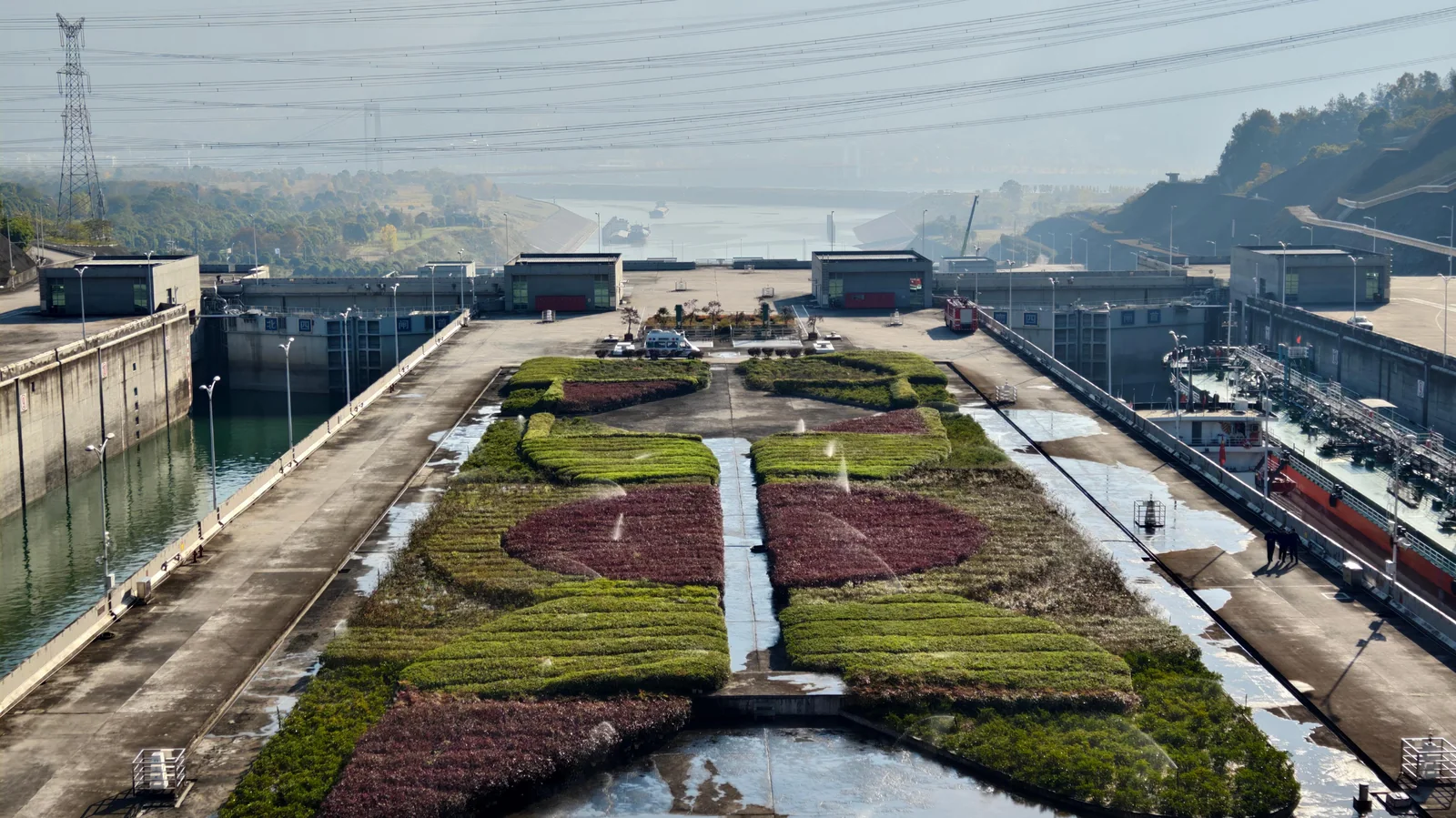
Background & Digital-Asset Goals
Among ship locks built to date, the Three Gorges ship lock has the most consecutive lift stages and the highest total head and inter-stage filling head of any inland-waterway ship lock — an ultra-large navigation hydraulic system supported jointly by civil structures, mechanical equipment, metal structures, and monitoring and O&M systems. Its mechanical equipment spans many types, with complex equipment relationships and spatial hierarchy; design-and-manufacturing documents, historical archives, and various O&M records are scattered across different media and organizational systems.
Building 3D models alone is not enough to make these scattered records connect around a single engineering object. The project called for establishing, on the basis of real equipment relationships and operating logic, a unified digital-asset identity and linking structure for the mechanical equipment and metal structures, so that models in the visualization platform can link directly to their corresponding equipment levels and related archive records, and so that later monitoring, diagnosis, and maintenance rest on an information base that is quick to locate and easy to trace. Information formerly managed separately by different departments and units can then be organized around a single engineering object, forming a unified digital-asset management system that lowers cross-department communication cost and improves the day-to-day use of O&M information.
My Role
Led digital-asset development for the mechanical-equipment and metal-structure part of the Three Gorges ship-lock digital-asset project, and contributed from the mechanical-engineering side to defining related O&M application scenarios and to cross-disciplinary collaboration.
From Physical to Digital Assets
From records to modeling basis
Design-and-manufacturing documents, historical archives, and on-site surveys together form the modeling input. Records are organized by equipment type, spatial location, and component level, and are re-checked continuously during modeling to verify equipment structure and assembly relationships.
From equipment to digital model
Based on equipment structure and operating relationships, part-level SolidWorks modeling and assembly construction preserve the necessary component levels, connection relationships, and assembly logic. Scope covers miter gates, culvert valve gates, and other core mechanical equipment across nine major categories and twenty-odd subcategories.
From assembly to system model
Equipment assemblies and the civil-works model together handle spatial positioning, system assembly, and review, keeping mechanical objects at a clear position and level within the complete ship-lock system, and setting the basis for later coding, record linking, and platform visualization.
From Scattered Assets to a Connected System
Establish a unified equipment identity
Build equipment classification, hierarchy, and asset coding according to real equipment relationships and operating logic, so that each model object maps to a specific engineering equipment item and its position in the system.
Build traceable record links
Using equipment objects and asset coding as the linking basis, map models to design-and-manufacturing documents, historical archives, component records, and O&M information, so that scattered records can be queried and traced around a single engineering object.
Connect platform & O&M applications
Once linked, the digital assets enter the visualization platform, making the equipment model a single entry point for related records and information. The project thereby forms a digital-asset system covering the mechanical equipment and metal structures, letting formerly scattered models, coding, archives, and O&M information be located, queried, and traced around a single engineering object, and providing an object basis for monitoring indicators, gate diagnosis, maintenance procedures, and engineering-analysis scenarios.
Digital Asset Outputs
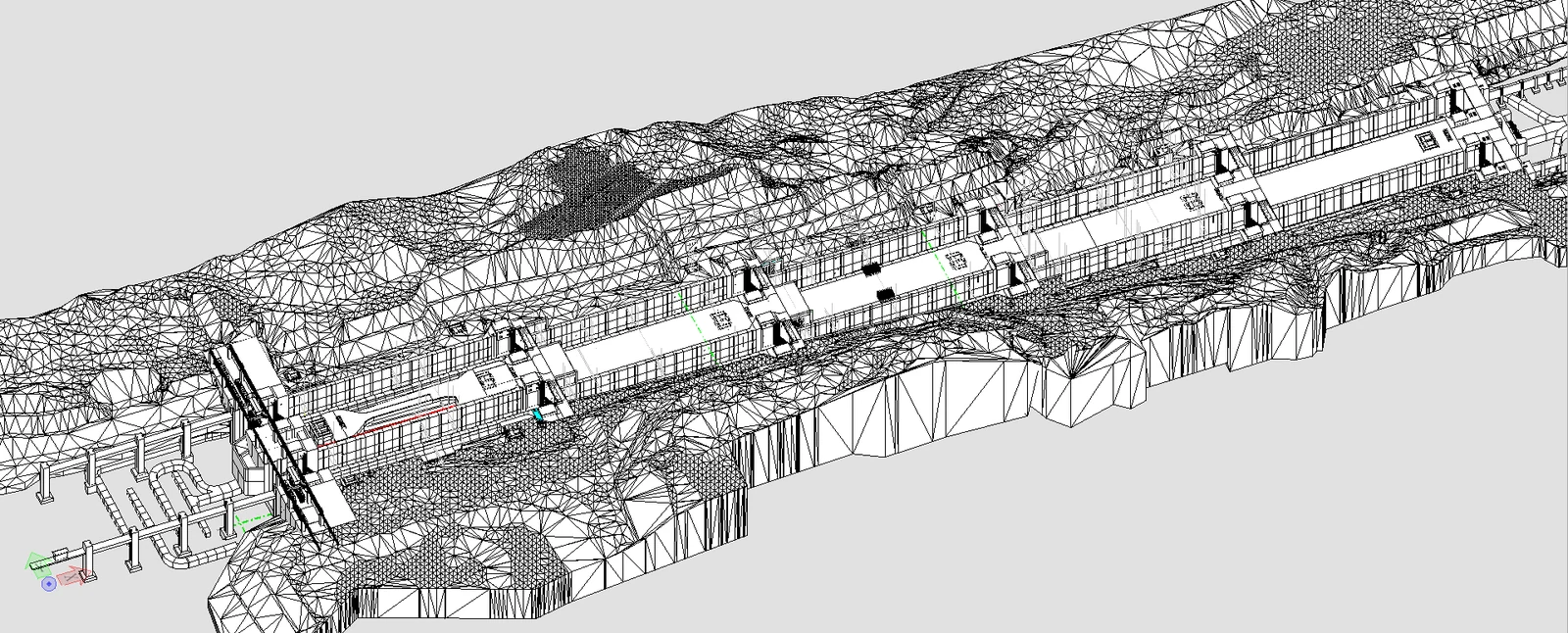
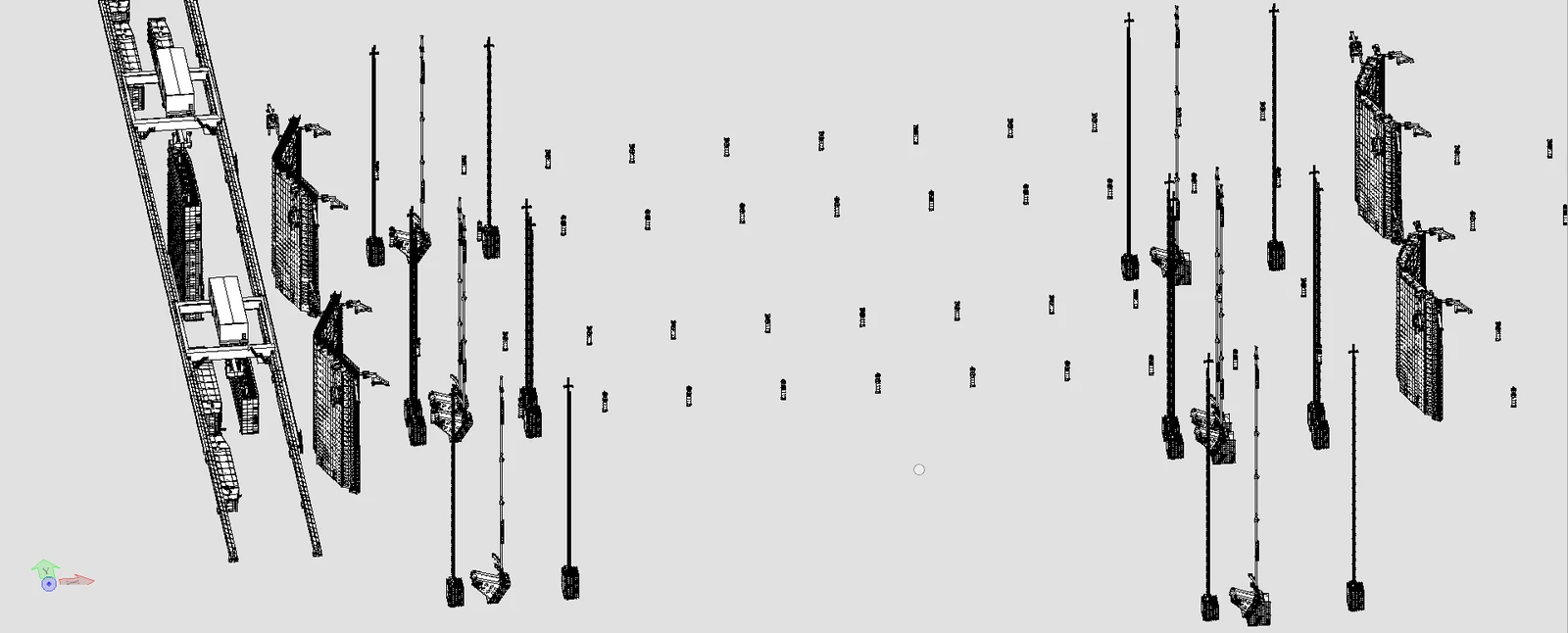
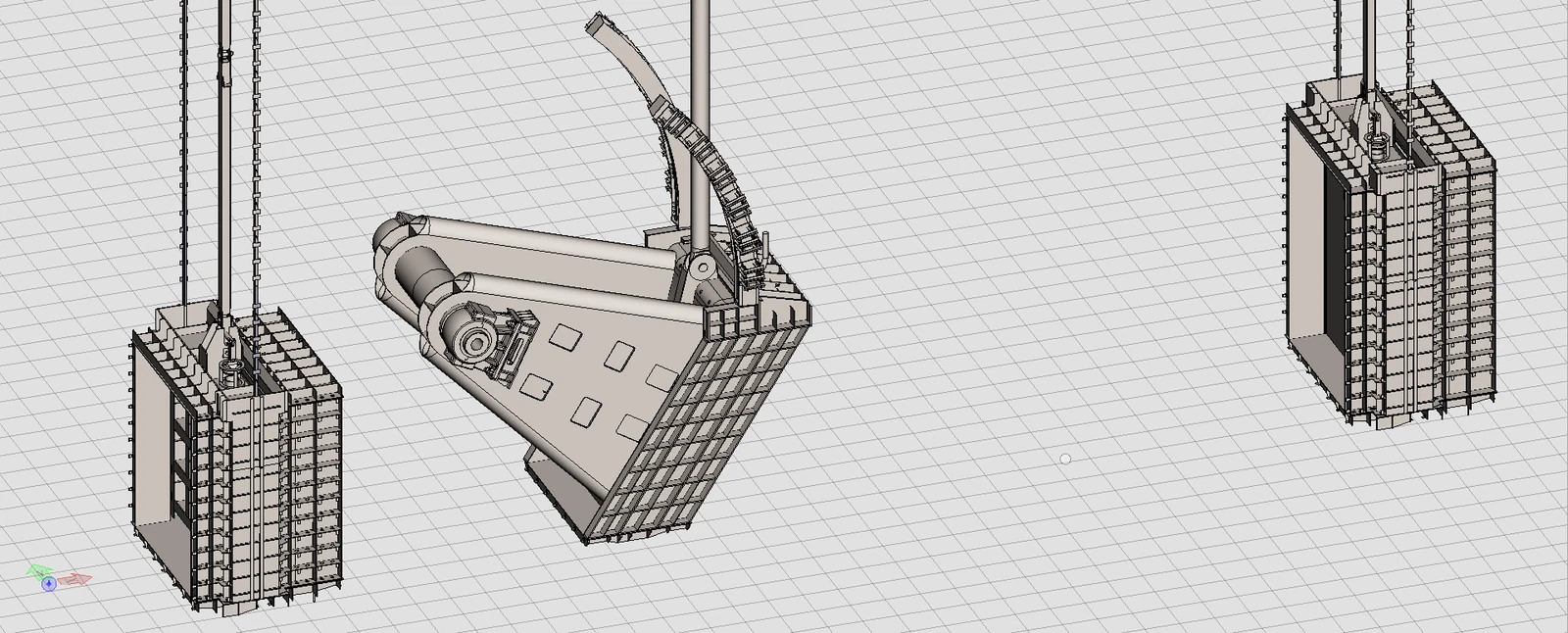
Sanitized — no original drawings or engineering parameters
What Carries Over
Understanding before decomposition
Quickly map the operating principles, equipment relationships, and engineering logic of a large engineering system, breaking a complex object into a clear, executable work structure.
The site is the most reliable source of information
Combine documents, on-site survey, and continuous verification to identify problems under real engineering constraints and drive solutions to completion.
Give every piece of equipment a digital identity
Build a unified object hierarchy, linkage, and traceability path across multi-source records, models, and application needs.
Get every discipline to collaborate around one object
Align engineering objects, work boundaries, and application scenarios across disciplines such as civil, hydraulic, monitoring, software, and O&M.